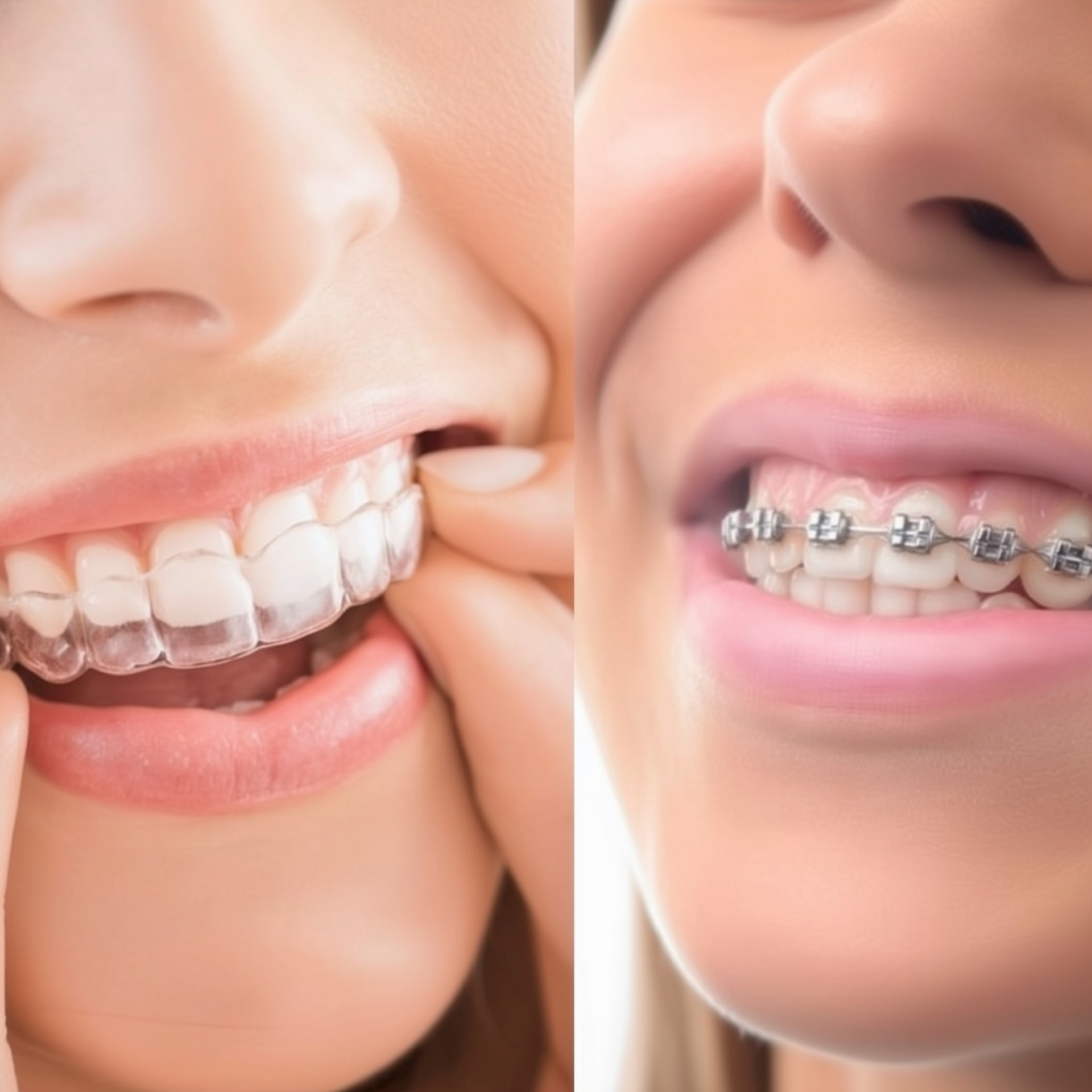

Brayces Orthodontics shares the must-have items every braces patient should keep in their backpack to stay comfortable and protect their smile all school year.
KEY TAKEAWAYS
- More than half of patients in fixed braces develop at least one chalky white spot on their enamel, compared with fewer than a third of people not in treatment. The difference is plaque that sits too long.
- Patients whose brushing slipped partway through treatment were roughly three times as likely to develop those spots as patients who kept their routine steady.
- Wax is the single most useful item in the kit, and it needs to live in the backpack, not in a drawer at home.
- Almost every school-day braces problem is a two-minute fix when supplies are in reach, and a long uncomfortable afternoon when they are not.
- This guide is built on 7 essentials, and the whole kit packs in about ten minutes.
Introduction
It is fifth period, someone bit into a bagel at lunch, and a bracket is now sliding along the wire. A wire starts poking a cheek on the bus home from an away game. An aligner gets wrapped in a napkin at the cafeteria table and lands in the trash before anyone notices.
We see all three every time school starts back up. Our doctors, Dr. Bray, Dr. Tarby, Dr. Lerman, and Dr. Chenman, are board certified orthodontists, and our team has walked families through more than 40 years of first days, picture days, and playoff seasons across Atlantic and Cape May counties. So we can say this with confidence: almost none of these moments are real emergencies.
That is the argument for a braces kit. One small pouch, packed once at the start of the year, turns the stressful version of a school day into a two-minute trip to the bathroom. Here is what goes in it, and why each item earns its space.
Why a Braces Kit Matters More at School Than at Home
At home, a loose bracket is annoying. There is wax in the drawer and a parent who can call us in the morning. At school, that same bracket rubs a cheek for six hours, and by dismissal there is a sore spot that takes days to settle.
The bigger issue is quieter. A school day adds three or four eating events, most of them fast and most followed by no brushing. Plaque parks around the brackets and stays. Over months, that is what leaves the chalky marks we work to prevent. The American Association of Orthodontists (AAO) puts daily cleaning at the top of its braces care guidance for exactly this reason.
Essential 1: Orthodontic Wax
If your student packs nothing else, pack wax. It is a small container of soft, food-safe wax you pinch off and press over whatever is rubbing. It buys hours of comfort and costs almost nothing.
The mistake we see constantly is wax that lives at home. Wax in the bathroom drawer helps nobody at 11 a.m. Send one container to school, keep a spare at home, and ask us for more at any visit.
Wax: How to Use It Without Wasting It
- PACK One container in the pencil pouch, one at home. Replace it the moment it runs low.
- DRY Blot the bracket dry first. Wet metal will not hold wax, which is why students decide it does not work.
- PLACE Roll a pea-sized piece and press it firmly over whatever is rubbing.
- AVOID Do not stretch one piece across several brackets. Thin wax slides off in minutes.
Essential 2: A Travel Toothbrush and Mini Fluoride Toothpaste
This is the item that protects the enamel. A capped soft-bristled travel toothbrush and travel-size fluoride toothpaste fit in a pencil pouch and take about ninety seconds after lunch.
Ninety seconds is the realistic target, not two full minutes. We would rather a student brush quickly and consistently than plan a perfect routine they abandon by October. Focus along the gumline and around each bracket, where plaque collects first.
The Ninety-Second School Clean
- BRUSH Gumline first, then above and below each bracket. Small circles, light pressure.
- SWEEP An interdental brush between the two or three tightest spots. Not all of them at lunch.
- RINSE Swish hard with water for ten seconds. Do this even on days brushing does not happen.
- KNOW Bleeding gums usually mean the area needs more cleaning, not less. Tell us if it lasts past a week or two.
Essential 3: Floss Threaders or Interdental Brushes
Regular floss will not pass under an archwire, which is why many students quietly stop flossing the week their braces go on. A floss threader is a small plastic loop that carries floss under the wire. An interdental brush, sometimes called a proxy brush, is a tiny cone-shaped brush that slides between wire and tooth and does much of the same work faster. The American Dental Association (ADA) notes that people with braces often do better with tools built for the job.
For school, we recommend the interdental brush. It takes seconds, needs no technique, and students actually use it. Save threaders for the thorough clean at home.
Essential 4: A Small Mirror
This one surprises people. School bathroom mirrors are crowded, badly lit, and mounted too high for a good look at a back molar. A mirror the size of a credit card lets a student find the poking wire, place wax accurately, and tell whether a bracket came loose or simply shifted. It also catches the spinach before fourth period.
Essential 5: Lip Balm
New braces push the lips out slightly, and lips that sit apart dry fast. Add a cold classroom in winter or an August practice field in Egg Harbor Township, and chapped lips are close to guaranteed. Cracked lips catch on brackets and turn a mild sore spot into a miserable afternoon. A basic balm handles it.
Essential 6: A Refillable Water Bottle
Water does more for a student in braces than almost anything else in the bag. It clears food from around brackets between classes, it keeps saliva flowing, and saliva is the mouth's own defense against decay.
It also solves a problem parents do not always see. Students in braces reach for sports drinks more often because their mouth feels dry, and those drinks bathe the brackets in sugar for the rest of the period.
Essential 7: A Hard Case for Aligners and Retainers
This one is for our Invisalign patients and anyone in retainers after treatment, and it prevents the most expensive school-day mistake there is: the napkin.
An aligner wrapped in a napkin at lunch is indistinguishable from trash, and it gets thrown out constantly. A lost tray stalls the sequence, and the case is a two-dollar fix.
Aligners and Retainers at School
- CASE Out of the mouth means straight into the case. The napkin is not a middle step.
- LOST ALIGNER Put the previous tray back in if it still fits comfortably, then call us. Never skip ahead on your own.
- WARPED TRAY Stop wearing anything cracked, sharp, or distorted and call us for a replacement.
- AVOID Never leave a case in a hot car or on a sunny windowsill. Heat warps trays, and that is most of what we replace.
The 7 Essentials at a Glance
Orthodontic Wax
Soft, food-safe wax to cover poking brackets or wires. Lives in the backpack, not the bathroom drawer.
Travel Toothbrush + Toothpaste
Soft-bristled brush and fluoride toothpaste for a quick 90-second clean after lunch. Protects enamel.
Floss Threaders / Interdental Brushes
Proxy brushes slip under the wire in seconds. The fastest way to clean between brackets at school.
Small Mirror
Credit-card-sized mirror to spot poking wires, place wax accurately, and check for trapped food.
Lip Balm
Prevents chapped, cracked lips that catch on brackets. A simple balm keeps sore spots at bay.
Refillable Water Bottle
Clears food, keeps saliva flowing, and reduces the urge for sugary sports drinks between classes.
Hard Case (Aligners / Retainers)
Prevents the napkin mistake. A $2 case saves a lost tray and weeks of treatment delay.
Braces or Invisalign: What a School Day Actually Looks Like
Families ask often whether one option is easier to manage at school. Both are. They just fail in different ways, and the kit shifts accordingly.
What to Do When Something Breaks During the School Day
Almost nothing that happens to braces at school is urgent. The AAO guide to orthodontic emergencies draws the line clearly: heavy bleeding, trouble breathing or swallowing, a suspected broken jaw, or a knocked-out permanent tooth are true emergencies. A loose bracket is not.
Everything else is a phone call. Call us at 609-272-9237, describe what happened, and we will tell you whether it needs a visit or can wait. Our emergency care information covers the common situations. We would rather hear from you than have a student sit all afternoon with a wire in their cheek.
Loose Bracket
If it is still on the wire, slide it gently back to the center of the tooth and hold it with wax. Call us the same day.
Poking Wire
Push it flat against the tooth with a clean pencil eraser or cotton swab, then cover the end with wax.
Sore Spot
Rinse with warm salt water, about half a teaspoon in eight ounces, and wax the bracket causing it.
None of these need an emergency room. They need wax, a phone call, and usually a short visit.
Not Sure Whether It Is Time for Braces?
The start of the school year is when most families begin thinking about it, and a consultation costs nothing. We will look, explain what we see in plain language, and tell you honestly if the answer is to wait.
Packing the Kit: Ten Minutes, Once
The whole thing fits in a zippered pencil pouch and costs less than a pair of cleats. Wax, travel toothbrush, mini fluoride toothpaste, interdental brushes, a pocket mirror, lip balm, and a hard case if aligners or a retainer are in the picture. The water bottle rides in the side pocket it already lives in.
The part families forget is the restock. A kit packed every August and never reopened is empty by November. Two minutes a month keeps it honest.
- BEFORE Pack the pouch the week before school starts, while everyone still has patience for it.
- MONTHLY Check the wax and the toothpaste. Those two run out first, every time.
- AFTER Restock at every adjustment visit.
- PLACE Keep the pouch in the same backpack pocket all year. A kit nobody can find is a kit nobody uses.
Why Shore Families Trust Brayces Orthodontics With the Everyday Stuff
We love helping families smile with confidence on and off the shore. While great treatment matters, it's often the little things, thoughtful care, genuine kindness, and attention to detail, that make the biggest difference.
- Five offices, one phone number. Wildwood, Absecon, Egg Harbor Township, Marmora, and Somers Point.
- More than 40 years on this shore. Trusted for generations and loved for smiles, with hundreds of thousands of confident smiles created across Atlantic and Cape May counties.
- More than 510 five-star Google reviews because every patient deserves to feel heard, respected, and cared for from the moment they walk through our doors.
- Led by board-certified orthodontists. You can feel confident knowing you're in experienced, capable hands.
- Diamond Plus Invisalign providers. That ranking reflects volume and experience with clear aligners, which matters most when a case is complex or a tray goes missing.
If you are just starting to look into treatment, our new patient information explains what a first visit involves, and our frequently asked questions answers most of what families ask before they come in.
The Short Version
A braces kit is not disaster preparation. It is an acknowledgment that small problems grow when they have six hours and no supplies.
Seven items, one pouch, ten minutes before school starts. That is the whole ask, and it protects the enamel under the brackets, the part your student keeps long after the braces come off.
Frequently Asked Questions
What should be in a braces kit for school?
Seven things: orthodontic wax, a travel toothbrush, mini fluoride toothpaste, floss threaders or interdental brushes, a small mirror, lip balm, and a refillable water bottle. Add a hard case if your student wears Invisalign or a retainer, and the whole kit fits in a zippered pencil pouch.
What do I do if a bracket comes loose at school?
Cover it with wax and call us at 609-272-9237 the same day. If the bracket is still on the wire, slide it gently back to the center of the tooth first and avoid hard or sticky food until we can see you.
Does my child really need to brush at school with braces?
Yes, and ninety seconds after lunch is enough to matter. Brushing removes the plaque that causes white spots on enamel, and if it truly is not possible that day, a hard rinse with water is a real second best.
What happens if my child loses an Invisalign aligner at lunch?
Put the previous aligner back in if it still fits comfortably, then call our team at 609-272-9237. Do not jump ahead to the next tray on your own, because that moves teeth faster than the plan allows.
Does my child need a mouthguard for school sports if they have braces?
Yes, for any contact sport, and it is required for high school wrestlers with braces under National Federation of State High School Associations rules. A mouthguard protects the lips and cheeks from the brackets as much as it protects the teeth, so ask at any of our five offices, and we will help you get the fit right.
Sources
- Hussain, U., et al. (2025). Prevalence, incidence and risk factors of white spot lesions associated with orthodontic treatment: a systematic review and meta-analysis. Orthodontics and Craniofacial Research , 28(2), 379 to 399. DOI: 10.1111/ocr.12888. Read full study.
- Julien, K. C., et al. (2013). Prevalence of white spot lesion formation during orthodontic treatment. The Angle Orthodontist , 83(4), 641 to 647. DOI: 10.2319/071712-584.1. Read full study.
- American Association of Orthodontists. What Is an Orthodontic Emergency and How Do You Handle Them? View patient resource.
- American Association of Orthodontists. Braces: Patient Treatment Information. View patient resource.
- American Dental Association. MouthHealthy: Flossing. View patient resource.
This article is provided for general educational purposes only and does not constitute medical or dental advice. It is not a substitute for an in-person examination, diagnosis, or treatment plan from a licensed orthodontist or dentist. Individual results vary, and no outcome is guaranteed. Regarding orthodontic problems that arise between visits, the guidance above covers routine issues only. Any injury involving heavy bleeding, difficulty breathing or swallowing, a suspected broken jaw, or a displaced permanent tooth requires immediate emergency medical care rather than a call to our office.